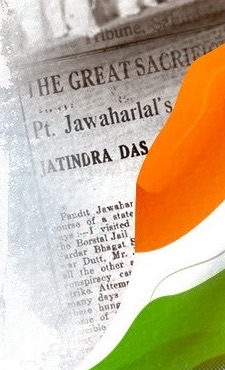
The dispute was about classification. Indian prison rules of the period drew distinctions between categories of prisoner, and those distinctions determined diet, clothing, labour, correspondence and access to reading matter. European prisoners were, in practice, treated substantially better than Indian ones. Indians convicted or detained for political offences were, as a rule, held on the same terms as ordinary criminal convicts.
The prisoners in Lahore argued that a person imprisoned for a political motive was in a different position from a person imprisoned for personal gain, and should be treated accordingly. That claim — that motive is relevant to how the state may treat someone it has locked up — is the intellectual core of the whole episode, and it is what makes it more than a prison grievance.
The clearest surviving statement of the demands is a letter the Lahore Conspiracy Case under-trials issued on 28 January 1930, several months after Das's death, restating what they had been asking for. Its terms are summarised opposite.